
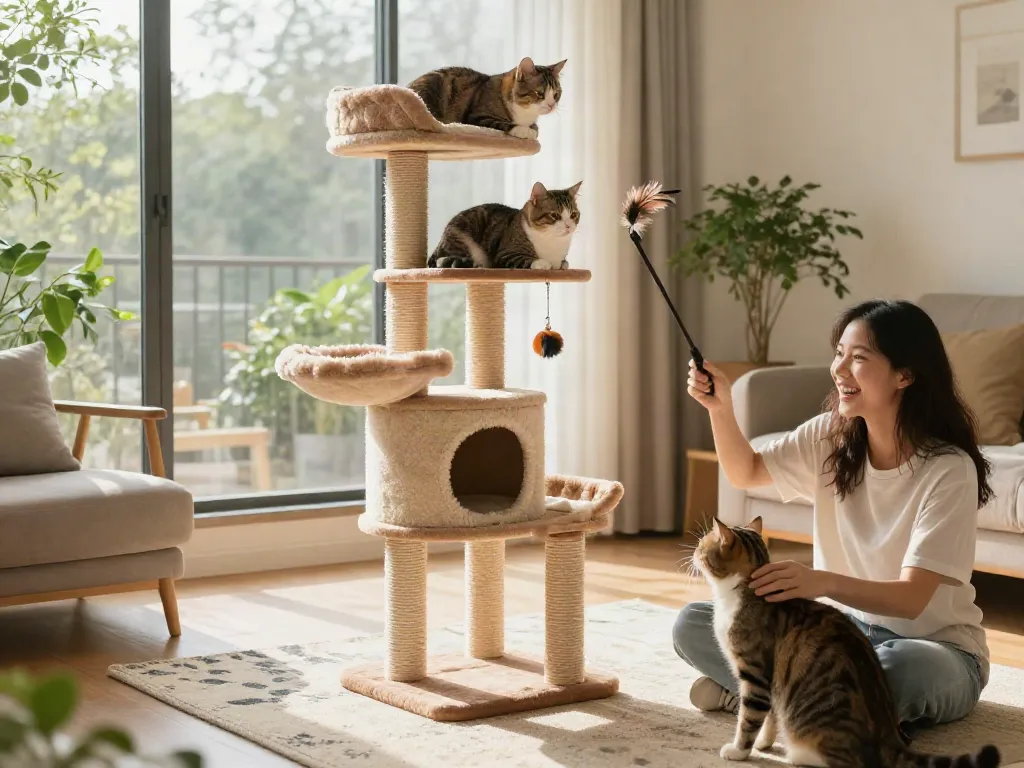
Understanding the Benefits of a Cat Tree
For any cat owner, providing a comfortable and engaging environment for their furry friend is paramount. A well-designed cat tree serves as an essential piece of furniture that can enhance your cat's quality of life. From offering a safe space for climbing, scratching, and napping to encouraging natural behaviours, the significance of these structures cannot be overstated. Not only do cat trees cater to a cat's instinctual need for height and territory, but they can also alleviate stress and reduce destructive behaviours associated with boredom and anxiety.
Why Your Cat Needs a Cat Tree
Cats are natural climbers. In the wild, they seek high vantage points to observe their surroundings, escape from potential predators, and find a comfortable resting spot. A cat tree mimics this natural behaviour, providing multiple levels and platforms that make it irresistible for cats to explore. Additionally, these structures often feature scratching posts, which help maintain your cat's claws and provide a designated area for scratching, thus preserving your furniture and carpets.
Improving Cat Wellbeing with Vertical Spaces
Vertical spaces are essential for a cat's mental and physical stimulation. Cat trees promote exercise by encouraging climbing and jumping, which can prevent obesity—a growing concern among house cats today. Furthermore, having a personal space where they feel safe can reduce anxiety, especially in multi-pet households. By giving your cat its territory, it can retreat to its own space whenever it feels overwhelmed.
Choosing the Right Cat Tree for Your Home
Selecting a cat tree involves considering your cat’s size, age, and personality. Younger, more active cats benefit from taller trees with various playing areas, while older cats might prefer something shorter and more stable. Evaluate your living space as well—make sure the cat tree fits well within your home, balancing aesthetics with functionality.
Selecting the Best Materials for a Cat Tree
The materials used in constructing a cat tree play a crucial role in its durability and safety. A well-built cat tree should withstand the daily wear and tear from your cat's playful antics while ensuring it does not pose any hazards. Look for options with sturdy wood bases, durable carpeting, and secure fastenings.
Evaluating Durability and Safety Standards
When investing in a cat tree, it’s vital to check for safety certifications and durability ratings. Ensure the structure can support your cat's weight, especially if you have a larger breed. Avoid trees made from flimsy materials, as these might collapse under pressure, leading to potential injuries.
Eco-Friendly Options for Sustainable Cat Trees
For environmentally-conscious pet owners, several brands offer eco-friendly cat trees made from sustainable materials. Look for products constructed from reclaimed wood or recycled fibres. Not only do these options benefit the planet, but they also provide a safe and non-toxic environment for your feline friend.
Textures and Features That Cats Love
Different cats have varying preferences for textures. Many enjoy soft, plush surfaces for lounging, while others prefer the abrasiveness of sisal for scratching. Features such as hammocks, tunnels, and perches add extra interest and comfort, creating a space where your cat can feel both entertained and secure.
Designing an Engaging Cat Tree Layout
The layout of your cat tree can significantly influence how much your cat will use it. A well-thought-out design not only maximises the usability of the tree but also enhances the overall play experience for your cat.
Maximising Space in Small Homes
For those living in smaller homes, utilising vertical space is key. Opt for tall cat trees instead of wide ones, allowing for multiple levels without occupying too much floor space. Corner cat trees can also make good use of underutilised areas.
Creating Playful Interactivity with Levels and Hides
Incorporating different play levels and hiding spots can make the cat tree more appealing. Cats love to explore, and a variety of platforms that interconnect can encourage them to use their climbing instincts. Look for designs that provide an assortment of heights and enclosed spaces for hide-and-seek games.
Incorporating Scratching Posts and Toys
To keep your cat engaged, integrate scratching posts and hanging toys into the design. This not only encourages scratching behaviour in the designated area but also helps keep your cat physically active. Rotating toys or adding new elements can also renew interest in the tree over time.
Maintenance and Care for Your Cat Tree
Routine maintenance of your cat tree not only extends its life but ensures a clean environment for your pet. Regularly inspecting the structure for wear and tear can prevent potential accidents.
Regular Cleaning Tips and Best Practices
To maintain hygiene, vacuum your cat tree regularly to remove fur and debris. Most fabric surfaces can be spot cleaned with mild soap and water. For deeper cleans, check if the upholstery is removable for washing.
Replacing Worn-Out Parts Safely
Inspect the scratching posts and platforms periodically. These areas may become worn out faster than others. Many manufacturers sell replacement parts, so you don’t have to replace the entire tree if one component is damaged.
Preventing Odour and Allergens in Your Cat Tree
Using odour-absorbing materials, such as activated charcoal, can help keep the tree smelling fresh. Also, ensure your cat's bedding is washable to avoid any build-up of allergens that could affect their health.
Future Trends in Cat Tree Designs (2026 and Beyond)
As our understanding of pet care evolves, so do the designs of cat trees. The future is set to offer innovative solutions that cater to the needs of both cats and their owners.
Smart Cat Trees: Integrating Technology
In the coming years, we can expect to see cat trees equipped with technology such as motion sensors, interactive features, and even app-controlled elements that allow owners to engage with their cats remotely.
Trends in Aesthetic Design and Personalisation
Modern cat trees are evolving to complement home decor better, moving away from the bulky, unattractive designs of the past. Customisation options, such as colours and materials, will offer owners the chance to match cat furniture with their personal style.
What to Expect in Cat Tree Functionality
Expect structures that not only serve as a play area but also include features such as integrated feeding stations, water dispensers, and plush resting areas, making them multifunctional furniture pieces.
Are Cat Trees Still Necessary?
With the rise of interactive toys and tech-driven pet care, one might wonder if cat trees are still essential. However, the need for vertical spaces remains critical for a cat's wellbeing, ensuring they have areas to explore, play, and rest.
How to Choose the Best Cat Tree for Your Home?
Consider your cat's personality and needs. If they are active, opt for something with multiple ramps and levels; if they prefer to hide, choose models with enclosed spots. Always ensure it fits within your home’s space and aesthetics.
What Features Should I Look for in a Cat Tree?
Key features to consider include durability, height, stability, scratching surfaces, and whether it has added elements like toys or hideaways. Make sure it suits your cat’s preferences and habits.
How Do I Maintain My Cat Tree?
Regular cleaning and inspections are essential. Replace worn-out parts and ensure it remains stable and secure. This guarantees a safe environment for your cat.
Can a Cat Tree Help with Behavioural Issues?
Yes! Providing a dedicated space for climbing and scratching can prevent destructive behaviours and reduce stress, especially in households with multiple pets.
What are the Best Materials for Cat Trees?
Look for sturdy woods, soft but durable fabrics, and non-toxic adhesives. Trees made from high-quality materials will last longer and be safer for your cat.